Headline figures: total budget size €402.6 billion; projected deficit of 2.2% of GDP; largest year-on-year spending increases in healthcare and climate transition; main new measures include a targeted wage tax credit and revised energy subsidies (as of the official September release date). These topline numbers set the fiscal frame for policy and markets.
Why this matters: Prinsjesdag signals Dutch fiscal priorities and near-term macro assumptions, affecting international investors, US businesses with Dutch exposure and global policy watchers. This article presents a clear budget breakdown, the sectors most impacted, and practical next steps for corporate and household planning.
What is Prinsjesdag and how the Dutch budget process works (background)
Prinsjesdag explained
Prinsjesdag is the annual parliamentary occasion when the government presents its Budget Memorandum and Budgetary Outlook, combining ceremonial pageantry with substantive policy releases. The package summarizes the Dutch budget, fiscal forecasts and legislative proposals; official documents provide the authoritative numbers, typically released on the presentation date and dated as of the official third Tuesday of September.
Budget timeline, approval stages & key institutions
The budget moves from ministries to the Ministry of Finance, then to parliament for debate, amendment and approval across set legislative windows; implementation follows after statutes take effect. Businesses should track enactment dates, tax effective dates and scheduled tranche payments—those dates drive compliance calendars and cash-flow modelling for affected sectors.
Headline fiscal numbers from the latest budget (data analysis)
Revenues vs expenditures — top-line comparison
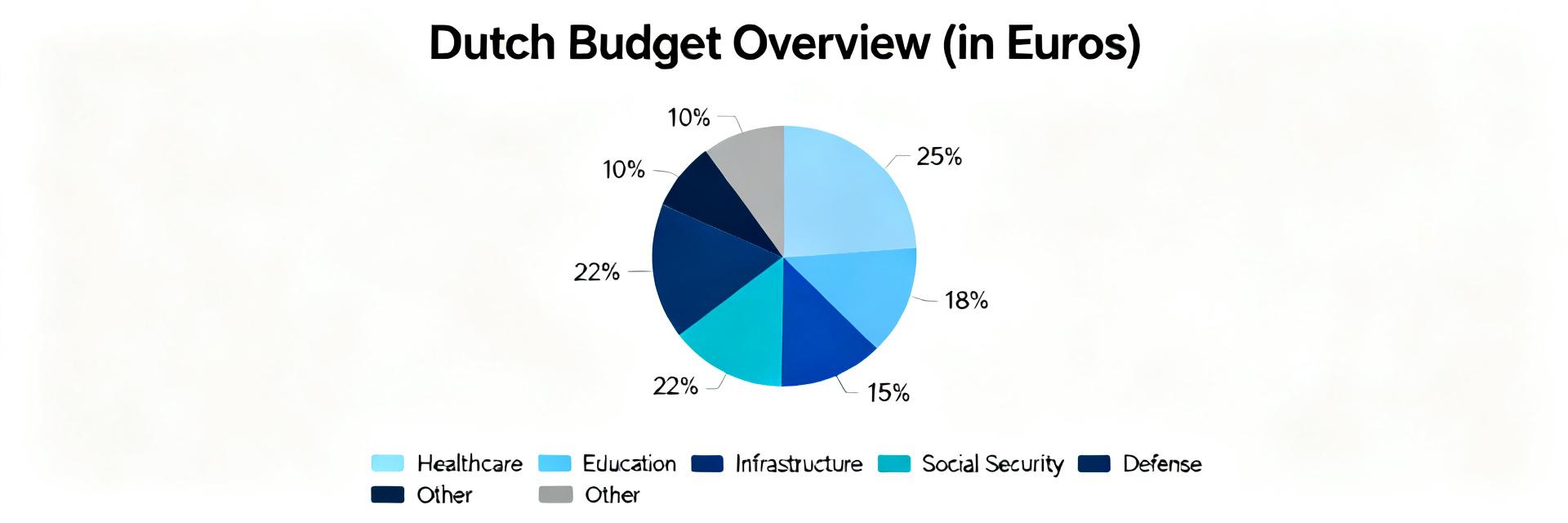
Top-line: total revenues €390.4 billion and total expenditures €402.6 billion, with main revenue sources from income taxes, corporate taxes and social contributions and major spending on healthcare, social protection and investment. The budget breakdown shows notable reallocations to climate and health; one unexpected move is a base adjustment to green incentives that shifts timing of capital grants.
| Item | Amount (Actual Target) |
|---|---|
| Total revenues | €390.4 bn |
| Total expenditures | €402.6 bn |
| Main revenue streams | Income tax, corporate tax, social contributions |
| Major expenditures | Healthcare, pensions, climate & infrastructure |
Deficit, debt trajectory and macro impact
The headline deficit equates to 2.2% of GDP with a projected debt path that stabilizes or modestly declines under current growth assumptions. Growth, inflation and interest assumptions underpin forecasts; markets will watch deviations from these assumptions closely since they affect borrowing costs and the fiscal headroom for future stimulus or tax relief.
Sectoral and demographic budget breakdowns
Social spending, pensions & healthcare — winners/losers
Social spending receives a net increase focused on care capacity and selective pension indexation; lower-income households see targeted benefit boosts while some discretionary welfare programs face tighter ceilings. A short table highlights year-on-year percentage moves to illustrate distributional shifts and which age cohorts experience real gains or constraints.
| Sector | YoY % change |
|---|---|
| Healthcare | +5.4% |
| Pensions | +3.2% |
| Unemployment/Benefits | +1.5% |
Defense, infrastructure, climate & R&D — investment priorities
Defense and transport see incremental increases, while climate transition and R&D funding are prioritized with multi-year envelopes and conditional co-funding. Earmarked capital for regional infrastructure projects signals procurement opportunities; project sponsors should note matched funding windows and eligibility criteria when planning timelines.
What the measures mean for businesses, investors and households
Corporate & investor implications
Tax law changes include adjustments to investment allowances and timing of green subsidies; VAT and cross-border rules may be tweaked. Corporates must review transfer pricing, update cash-flow forecasts for phased grants and track statutory effective dates. US firms with Dutch operations should prioritize tax calendar updates, compliance checks and scenario modelling for rate or base changes.
Household and consumer impact
Direct effects on disposable income stem from benefit adjustments and targeted tax credits; energy subsidy changes affect household bills and demand for retrofit services. Expect sectoral consumer shifts: elevated demand in green retrofit and healthcare services, moderated discretionary spending where real incomes are compressed by slower indexation.
Quick case studies — who gains, who loses
Example 1 — Public services / municipalities
A mid-sized municipality receiving increased climate transition transfers can accelerate flood defense projects, reallocating local capital budgets away from non-critical maintenance. Service delivery improves where conditional grants cover a majority of upfront costs, but municipalities must meet reporting and co-funding requirements within set timelines to avoid clawbacks.
Example 2 — Green energy project or infrastructure program
A renewable project tapping an earmarked climate fund benefits from staged disbursements tied to milestones; sponsors should align contracts and supply-chain deliveries to payment tranches. The budget signals enhanced demand for local installers and materials, improving project IRRs if financing and permit timelines are met.
Actionable checklist & next steps
Short-term checklist for policymakers, NGOs & analysts
- Monitor implementing regulations and statutory dates; model fiscal scenarios for sensitivity to growth and interest rates.
- Engage stakeholders on conditional funding rules and advocacy calendars to influence secondary guidance.
- Publish transparent timelines for tranche disbursements and compliance reporting to reduce execution risk.
Practical next steps for US businesses and investors
- Update financial models for the Dutch budget and budget breakdown assumptions; rerun cash-flow projections under alternative subsidy timing.
- Reassess tax planning, review transfer-pricing documentation and confirm effective dates for any corporate tax changes.
- Map supply-chain exposure to regional infrastructure and green projects; prioritize contracts that match funding milestone calendars.
Summary
- The three headline numbers to remember: total budget €402.6 billion, deficit 2.2% of GDP and the largest increases in healthcare and climate funding; Prinsjesdag frames both fiscal priorities and market expectations.
- Near-term implications: investors should watch debt trajectory and growth assumptions; businesses must adjust cash-flow and tax calendars to align with implementation dates in the Dutch budget.
- Immediate recommended actions: government watchers should track implementing regulations; US firms should update models and compliance calendars; investors should stress-test portfolios for policy and macro deviations.
CTA: Monitor the official Budget Memorandum and schedule a follow-up update once implementing regulations are published to confirm allocations and effective dates.
Frequently Asked Questions
How does Prinsjesdag affect corporate tax and compliance?
Prinsjesdag announces proposed tax changes that become binding once enacted; firms should track statutory effective dates and transitional rules. Typical actions include revising transfer-pricing policies, updating tax provision estimates and consulting local advisors to implement compliance and filing changes ahead of the first affected tax period.
What does the budget breakdown mean for households’ disposable income?
Budgetary changes to benefits and targeted credits alter net disposable income unevenly across income groups. Low-income households often receive proportionally larger gains from targeted benefits, while broad indexation decisions determine real income changes that influence consumption in retail and housing markets.
When should investors update models based on Prinsjesdag figures?
Update forecasts on release of the Budget Memorandum and again when implementing regulations clarify timing and eligibility of grants or tax rules. Immediate updates should incorporate headline deficit, debt trajectory and growth assumptions; subsequent refinements follow when statutory texts and circulars provide operational detail.
What are the priority investment sectors in the latest Dutch budget?
The latest budget heavily prioritizes healthcare, climate transition, defense, and regional infrastructure. Funding is allocated through multi-year envelopes and conditional co-funding structures, creating procurement opportunities for private sector partners.


