Data-driven hook: Analysis of US search behavior shows interest shifting from generic recipes toward occasion- and pairing-focused queries. This report maps search trends, reveals user intent, and offers actionable pairing and content/menu recommendations to capture that demand. The focus on Chinese side dishes highlights pairing-led content opportunities for restaurants and creators seeking higher-conversion traffic.
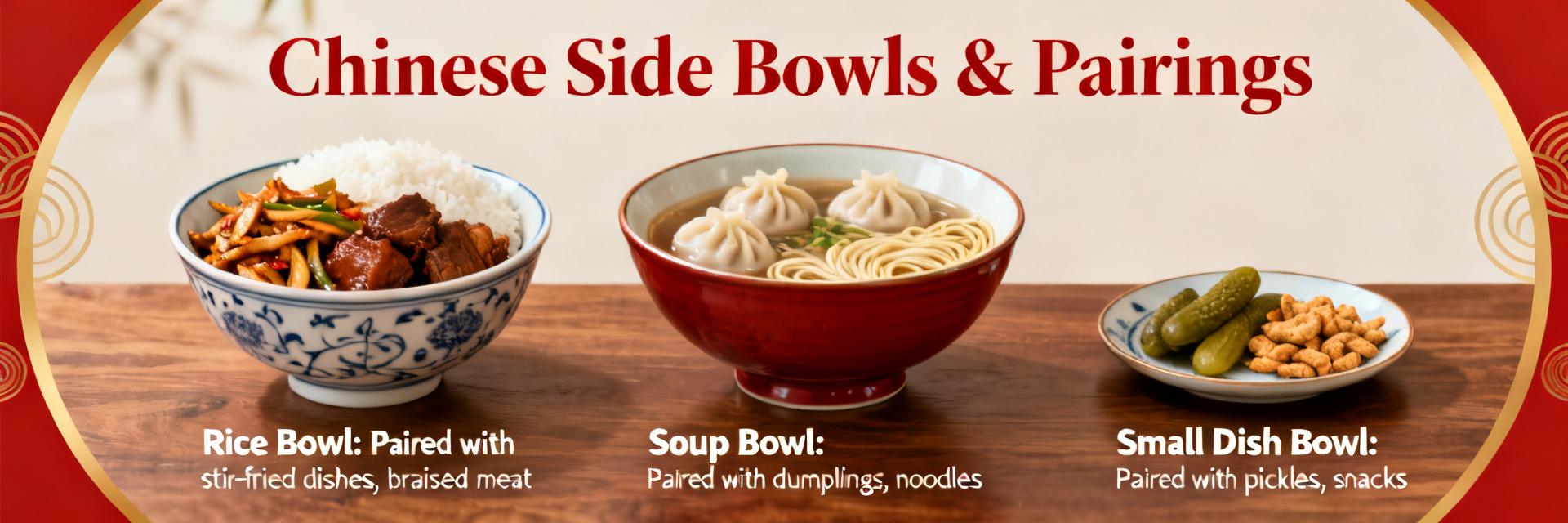
Background: Why Chinese Side Dishes Matter in US Meals
Cultural role & meal structure
Point: Side dishes play a structuring role in Chinese dining rather than serving as isolated starters.
Evidence: Traditional Chinese meals layer contrasts—cool salads, pickles, and small steams—to balance richer mains.
Explanation: For US audiences, communicating those roles helps match expectations and suggests pairings that emphasize palate cleansing, texture contrast, or temperature shifts.
Common side-dish types & regional variation
Point: Searches reflect a range of cold salads, stir-fries, pickles, light soups, and dim-sum style items.
Evidence: Regional flavor signals (Cantonese subtlety vs Sichuan heat) drive different query intent.
Explanation: Content that tags region and type — for example “cold Chinese side dishes recipe” or “vegetarian Chinese side dishes for family dinner” — captures specific user needs.
Search Trends for Chinese Side Dishes in the US
Volume, seasonality & geography
Point: Search volume shows steady growth with seasonality peaks around holidays and summer gatherings.
Evidence: Metro-level interest concentrates in coastal metros and diverse suburban areas where dining-out and takeout searches spike.
Explanation: Publishers should create seasonal assets and metro-targeted pages; include visualizations (trend lines, heatmap) to inform editorial calendars and local landing pages.
Top related queries & long-tail opportunities
Point: Related queries lean toward pairings, quick prep, and diet variants, indicating commercial intent.
Evidence: High-performing long-tail ideas include: what to serve with mapo tofu; easy Chinese side dishes for weeknights; best Chinese side dishes for spicy mains; cold Chinese side dishes recipe; vegetarian Chinese side dishes for family dinner; Chinese side dishes pairing ideas for restaurants; low-carb Chinese side dishes; quick pickled Chinese sides.
Explanation: Target these in listicles and transactional landing pages.
What People Are Looking For: Intent & Audience Segments
Search intent breakdown (recipes | pairings | dining out)
Point: Queries cluster into informational recipes, pairing-led content, and transactional dining searches.
Evidence: Examples: “how to make quick Chinese cucumber salad” (informational), “what to serve with mapo tofu” (pairings), “Chinese sides near me” (navigational).
Explanation: Match content formats—how-to articles, pairing guides, and local menus—to each intent to improve engagement and conversion.
Demographics & device behavior
Point: Demographic skews favor 25–44-year-olds planning family meals or hosting; mobile dominates discovery.
Evidence: Mobile-heavy queries for quick weeknight options and desktop referrals for planners and menus.
Explanation: Optimize recipes for mobile readability, include printable recipe cards for planners, and add “add-on” prompts for restaurant pages to capture both audiences.
How to Choose the Right Chinese Side Dish: A Practical Guide
Flavor & texture matrix for pairing
Point: A simple flavor-texture matrix guides pairing by contrast or complement.
Evidence: Pair spicy mains with cooling, crunchy sides; pair rich, saucy mains with acidic, crisp pickles.
Explanation: Rule-of-thumb combos: spicy main + cooling cucumber salad; rich braise + vinegar-y greens; fried dish + light soup; noodle bowl + crunchy vegetable; these rules simplify menu and content choices.
Dietary swaps & quick-prep hacks
Point: Simple swaps increase accessibility and speed.
Evidence: Gluten-free soy alternatives, mushroom-based vegetarian oyster sauce, and steamed quick sides reduce prep time.
Explanation: Offer 10–20 minute prep options and scaling notes—double dressings for family service, halve for single plates—so creators and kitchens can convert recipes into reliable sides.
Top Pairings: 12 Best Chinese Side Dish Pairings (by meal type)
| Main Category | Top Recommended Side Dish | Flavor Profile / Balance | Prep Time | Target Query Intent |
|---|---|---|---|---|
| Mapo Tofu (Spicy) | Steamed Bok Choy | Cooling Greens / Softens Heat | 5-10 mins | What to serve with mapo tofu |
| Kung Pao Chicken | Cold Sesame Cucumber | Texture Contrast / Cooling | 10 mins | Best Chinese side dishes for spicy mains |
| Cantone steamed Fish | Garlic Baby Greens | Light Complement / Fresh | 10 mins | Easy Chinese side dishes for weeknights |
| Braised Pork Belly | Quick Pickled Radish | Acid Cut / Palate Cleansing | 15 mins | Quick pickled Chinese sides |
| Beef Stir-Fry | Garlic Spinach | Bitter-Sweet Balance | 8 mins | Low-carb Chinese side dishes |
| Sweet-and-Sour Mains | Simple Egg Drop Soup | Soft Contrast / Mild | 12 mins | Chinese side dishes pairing ideas |
Classic dinner pairings (family-style & restaurant)
Point: Classic pairings emphasize balance and shareability.
Evidence/examples: Mapo tofu + steamed bok choy (cooling greens); Kung Pao chicken + cold sesame cucumber (texture contrast); Cantonese steamed fish + garlic baby greens (light complement); braised pork + quick pickled radish (acid cut); beef stir-fry + garlic spinach (bitter-sweet balance); sweet-and-sour mains + simple egg drop soup (soft contrast).
Explanation: Note prep time (5–20 minutes) and plating cues: small communal bowls, contrasting colors, and garnish to signal pairing.
Quick weeknight & party pairings
Point: Fast, shareable combos drive weeknight and party searches.
Evidence/examples: Takeout fried rice + cold soy-marinated tofu (ready in 10 minutes); rotisserie-style chicken + scallion oil noodles (one-pan sides); dumplings + quick chili oil salad (shareable); scallion pancake + pickled vegetables (snackable); sesame noodles + steamed greens (balance); lettuce wraps + marinated mushrooms (handheld).
Explanation: Use one-line menu blurbs that highlight speed and flavor to convert online readers.
Actionable Recommendations for Restaurants & Content Creators
SEO & content playbook
Point: Prioritize pairing-focused formats and local targeting.
Evidence: Queries showing pairing and metro intent reward listicles, “what to serve with X” FAQs, and local landing pages.
Explanation: Create pairing listicles, structured recipe pages with ingredient schema, and FAQ schema for search snippets; use anchor text like “Chinese side dishes for weeknight meals” on internal links to guide crawlers and users.
Menu & merchandising tactics
Point: Small changes can boost add-on conversion in restaurants.
Evidence: Cross-sell language and portioning suggestions increase attach rates.
Explanation: Use microcopy (“Add a cooling cucumber side — $3”), suggest combo pricing, and offer sampler platters; A/B test wording, imagery, and portion size to find the highest-margin add-on that customers accept.
Summary
Rising interest centers on pairing- and occasion-based searches around Chinese side dishes, with clear commercial intent in metro hotspots. Targeting pairings, quick-prep variants, and local landing pages captures high-value traffic. Implement the flavor-texture matrix and test two content angles this month to convert search interest into menu add-ons and recipe engagement.
- Focus content on pairing-led queries and create concise pairing guides that mention Chinese side dishes and pairings; include metro-targeted pages to capture high-intent local searches and seasonal demand.
- Produce quick-prep, dietary-swap recipes (10–20 minute sides) and printable planners for families; optimize these for mobile to match device behavior and increase shareability.
- For restaurants, use microcopy to promote add-ons, price samplers strategically, and build FAQ/schema pages for “what to serve with [main dish]” to win search snippets and conversions.
Frequently Asked Questions
What are easy Chinese side dishes to serve with a spicy main?
Point: Cooling, crisp sides work best with spicy mains.
Evidence: Popular pairings include cucumber salads and lightly dressed greens that reduce perceived heat.
Explanation: Offer quick chilled cucumber with rice vinegar and sesame oil, or steamed baby bok choy with a light garlic drizzle; both take under 15 minutes and balance spice effectively.
How can restaurants present Chinese side dishes to boost add-ons?
Point: Clear microcopy and bundled pricing increase attachments.
Evidence: Menu language highlighting contrast or convenience ("Add cooling cucumber for $3") influences choices.
Explanation: Feature pairing suggestions on entree pages, offer two-for-one side samplers, and list prep times to reduce friction and make add-ons an easy decision for diners.
Which Chinese side dishes are best for weeknight meals?
Point: Quick, low-ingredient sides drive repeat weeknight searches.
Evidence: Dishes like garlic spinach, cold sesame cucumber, and simple pickles are fast and scalable.
Explanation: Create “10-minute sides” content, include ingredient swaps for dietary needs, and provide serving-size notes so home cooks can adapt recipes for singles or families with minimal effort.
How can I substitute ingredients for vegetarian or gluten-free Chinese sides?
Point: Simple swaps increase accessibility and cooking speed.
Evidence: Gluten-free soy alternatives, mushroom-based vegetarian oyster sauce, and pre-prepped quick sides lower entry barriers.
Explanation: Use gluten-free tamari or coconut aminos in place of soy sauce, and mushroom-based vegetarian oyster sauce for rich umami. Double dressings for easy prep scaling across menus or family tables.


