California's Department of Motor Vehicles processes millions of ID and driver-license transactions each year, and behind every card is a structured ID format that helps issuers, employers, and investigators verify identity quickly. This article explains the California ID format, decodes the example CA 091 70 0006 cautiously, and provides practical verification steps for verifiers and investigators.
The goal is pragmatic: show what segments commonly mean, highlight verification checkpoints, and give a clear workflow verifiers can use without assuming access to internal DMV mappings. Readers will gain an operational understanding of how a formatted ID number supports routine checks and fraud detection.
Background: Why the California ID format matters
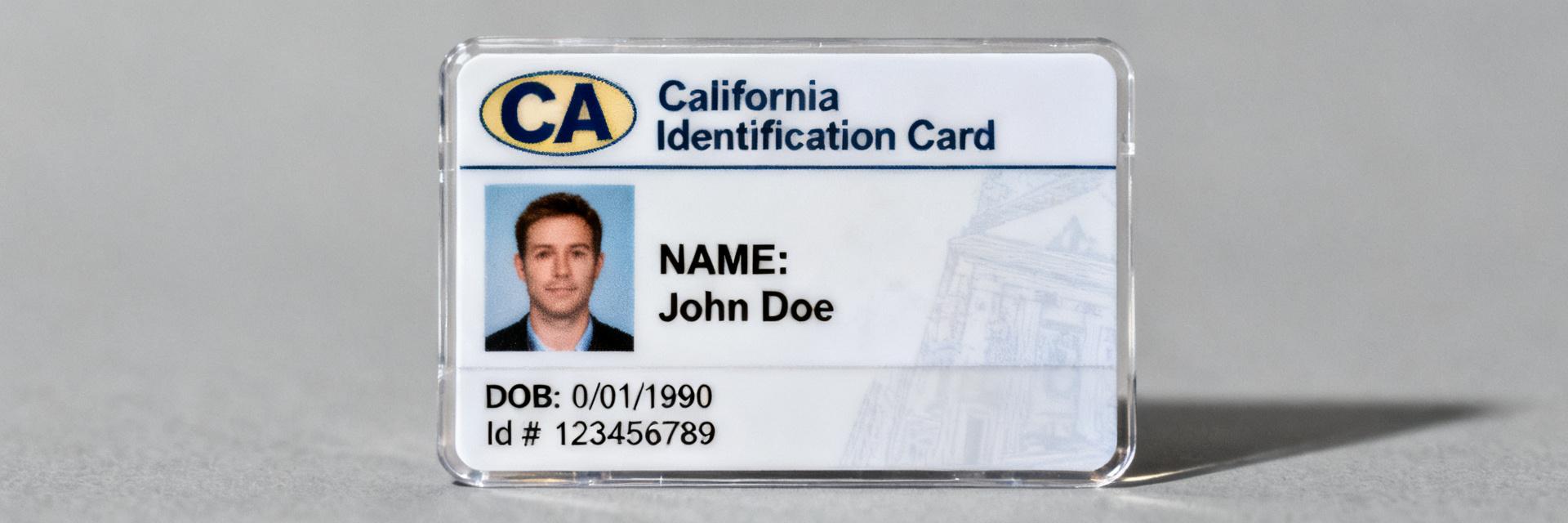
Who issues California IDs & who relies on them
Point: State DMVs issue the IDs and a broad range of parties rely on them. Evidence: Employers, banks, landlords, and law enforcement routinely treat state-issued IDs as primary identity evidence. Explanation: Knowing the California ID format helps these parties spot obvious tampering, match records efficiently, and reduce fraud risk while respecting privacy constraints during verification.
High-level components to expect on CA IDs
Point: A typical card shows visible fields and machine-readable elements. Evidence: Visible items include a state prefix, printed ID number, name, birthdate, issue/expiry dates, class, and security features; encoded elements may include barcodes or magnetic/2D codes. Explanation: Distinguishing printed layout from the administrative ID number and its encoded equivalents is essential for accurate verification and for deciding when to request corroborating documents.
Data analysis: The anatomy of a California ID number: common segments
Typical segment types: state prefix, office/region code, series, sequence
Point: ID numbers are often segmented to capture issuing context. Evidence: Common segments include a state marker (e.g., "CA"), an issuing office or processing code, a series or batch indicator, and a unique serial. Explanation: Each segment serves a purpose — the state marker identifies jurisdiction, the office code narrows processing origin, the series ties a batch or date range, and the serial provides per-card uniqueness for lookup and pattern analysis.
| Segment Type | Typical Representation | Functional Role | Verification Focus |
|---|---|---|---|
| State Prefix | CA | Identifies jurisdiction origin | Format alignment & legal validity |
| Office / Region Code | 3-digit numeric (e.g., 091) | Traces to issuing node or center | Geographic logic checks |
| Series / Batch | 2-digit numeric (e.g., 70) | Indicates issue era or sequence block | Consistency with issuing timeline |
| Sequence / Serial | 4-digit numeric (e.g., 0006) | Assigned sequentially in current batch | Duplication checks & density checks |
Formatting conventions (spacing, leading zeros, separators)
Point: Visual separators and leading zeros reflect legacy system constraints. Evidence: Fixed-length fields, spaces, and zero-padding simplify database joins and printed alignment in legacy DMV systems. Explanation: Typical patterns follow templates like "CA + 3-digit office + 2-digit series + 4-digit sequence" as a common pattern; however, formats vary over time, so treat such templates as illustrative and verify with authoritative channels when necessary.
Data analysis: What CA 091 70 0006 likely encodes
Breaking down "CA 091 70 0006" — a cautious decode
Point: A cautious, best-practice interpretation breaks the string into marker, office, series, and serial. Evidence: "CA" functions as the jurisdiction marker; "091" plausibly maps to an issuing office/branch or processing center; "70" often denotes a series, batch, or internal code; "0006" reads as the serial or sequence number within that batch. Explanation: This annotated breakdown is plausible for operational use but is not authoritative — internal DMV mappings can and do change, and exact meanings are often not public.
How to confirm the decode (records & verification steps)
Point: Confirmation requires cross-checks and respect for privacy rules. Evidence: Verifiers can corroborate number structure with visible issue/expiry dates, printed card elements, and supporting documents; authoritative confirmation comes from DMV lookup services or employer verification portals where permitted. Explanation: Because access to DMV records is legally restricted, start with benign checks (dates, security features, corroborating ID data) and escalate to official lookups only when you have lawful basis and documented consent.
Method guide: How to decode and verify a California ID step-by-step
Practical decoding workflow
Point: A short workflow streamlines verification and minimizes unnecessary exposure of personal data. Evidence: Step 1: visually inspect card for state marker, holograms, dates, and format consistency. Step 2: map number segments to the common pattern (marker, office, series, serial). Step 3: corroborate with supporting documents like a matching birthdate or partial SSN. Explanation: Follow a checklist approach so each action is recorded and repeatable, reducing subjective judgments and improving auditability.
Tools, red flags & documentation to retain
Point: Use basic tools and keep records of suspect items. Evidence: Verification tools include DMV verification portals and employment identity services (access governed by policy); red flags include mismatched fonts, inconsistent spacing, implausible sequences like extremely low serials for a mature series, or missing security features. Explanation: Retain a short verification note stating steps taken, discrepancies found, and escalation decisions; clear documentation supports HR, compliance, or law-enforcement follow-up when needed.
Case study: Real-world scenarios: interpreting the number in context
Employment verification example
Point: Practical checks reduce onboarding friction while catching obvious issues. Evidence: For a new hire, confirm the printed name, birthdate, and expiry match the card, map the ID number segments to the expected pattern, and request one corroborating document if fields diverge. Explanation: Suggested phrasing when follow-up is needed: request a second form of ID or ask for the issuing office if available; document the exchange and, if unresolved, pause hiring action pending formal verification.
Fraud-investigation example
Point: Investigators use pattern matching and escalation to detect systematic abuse. Evidence: Analysts may compare sequences across multiple IDs, flag improbable batches or duplicated serials, and correlate cards with reported incidents. Explanation: When patterns suggest fraud, preserve all metadata, limit further dissemination of personal data, and escalate to DMV or law enforcement with documented findings and lawful justification.
Actionable recommendations: Quick checklist & next steps for verifiers
Immediate actions to verify a CA ID number
Point: A concise checklist helps standardize verification. Evidence: Visual checks (security features, dates), segment mapping to the common template, request corroborating documents (one additional ID or proof of address), and log findings. Explanation: Keep verification notes brief but specific, retain them under your organization's retention policy, and avoid copying full sensitive identifiers unnecessarily.
When to escalate & resources to use
Point: Clear escalation criteria protect organizations and individuals. Evidence: Escalate when you observe conflicting identity data, signs of tampering, or when a formal DMV confirmation is required to resolve high-risk discrepancies. Explanation: Route cases to HR, compliance, or law enforcement according to internal policy, and use official DMV contact channels for authoritative verification only when you have lawful grounds and documented consent.
Summary
Understanding the California ID format strengthens routine verification and reduces fraud risk by revealing how segmented identifiers signal issuing context and uniqueness. The string CA 091 70 0006 most likely parses as a jurisdiction marker, an issuing office code, a series indicator, and a sequence number, but this interpretation is a best-practice reading, not an authoritative lookup. Verifiers should follow the step-by-step checks and escalate when discrepancies remain.
- California ID format helps verifiers recognize state markers, issuing-office codes, series/batch indicators, and sequence numbers for quicker checks and pattern detection.
- CA 091 70 0006 likely decodes as "CA" (jurisdiction), "091" (office), "70" (series), "0006" (serial), but internal mappings vary and require DMV confirmation.
- Verification checklist: visual security checks, segment mapping, corroborating documents, documented notes, and escalation to official DMV channels when legally warranted.
FAQ & Verification Troubleshooting
What does the California ID format "CA 091 70 0006" represent?
The string CA 091 70 0006 likely represents a structured pattern where "CA" is the state jurisdiction, "091" corresponds to a specific issuing office or processing branch, "70" acts as a batch or series indicator, and "0006" serves as the unique sequential identifier within that batch.
How to read a California ID number?
Read the card top-to-bottom: note the state prefix, then split the numeric string into plausible segments (office, series, serial). Cross-check visible dates and security features, and request one corroborating document if anything seems inconsistent. Use official verification only when you have proper authorization.
How can I verify CA 091 70 0006 is genuine?
Start with visual inspection and segment mapping, corroborate card elements with supporting documents, and, if doubt remains, request an official DMV verification or employer identity service under lawful terms. Preserve a short record of steps taken and findings.
When should I escalate a suspected fake California ID?
Escalate when you detect tampering, mismatched core data (name, DOB, expiry), duplicate sequences across cases, or any evidence suggesting organized fraud. Follow internal escalation protocols and involve DMV or law enforcement with clear documentation and legal authorization.


