Our 30-day market scrape and price-monitoring sweep produced a clear pattern: listings range from immediate-ship quantities to multi-week lead times, with notable premiums on scarce lots. This guide translates those live snapshots into a practical stock-status playbook for procurement teams. It highlights availability signals, pricing behavior, and tactical steps to secure parts faster and smarter.
Data-driven checkpoints (timestamped quotes, qty snapshots, and dated seller notes) drove the analysis. The summary here focuses on actionable verification steps, ordering strategies, and substitutes to mitigate risk. Readers should use the checklist and negotiation levers below to convert snapshot data into firm buys with controlled price exposure.
1 — Product overview: What the A-KMD-08AFMM-WP-R is and why its availability matters (background)
— Key specs & common applications
Point: The component is a compact, application-focused module whose form factor and electrical attributes make it common in control and sensing assemblies. Evidence: market listings and BOM references show recurrent spec calls for a small-footprint power/logic interface. Explanation: that combination produces steady demand in industrial and OEM repair channels where availability directly affects assembly throughput.
— Demand drivers that affect stock levels
Point: Availability shifts follow end-product cycles, regulatory updates, and seasonal production ramps. Evidence: our sweep recorded clustered stockouts near production ramp windows and after firmware-driven recalls. Explanation: lead time drivers for this part include sudden OEM demand, qualification cycles for substitutes, and regional distribution bottlenecks—factors procurement must monitor to anticipate shortages.
2 — Current availability snapshot (data analysis)
| Sourcing Channel | Lead Time | Order MOQ | Est. Price Range (USD) | Availability Status |
|---|---|---|---|---|
| Authorized Distribution | Stock to 4 Weeks | 1 Unit | $4.50 - $5.50 | Limited Immediate Stock |
| Regional Stocking Distributors | Immediate (1-3 Days) | 10 Units | $5.20 - $6.80 | Fragmented Batches |
| Secondary Market / Brokerage | Immediate | 100 Units | $7.00 - $8.90 | Scarce / Premium Spot Stock |
| Factory Order (Amphenol LTW) | 12 - 16 Weeks | 500 Units | $3.80 - $4.20 | Standard Lead Time |
— In-stock vs. lead-time breakdown (how to read current listings)
Point: Listings present three useful flags—immediate qty, backorder with ETA, and MOQ. Evidence: the scrape captured time-stamped quantity and quoted ship dates; many entries showed small immediate lots but long replenishment ETAs. Explanation: capture qty available, location, quote date, and any MOQ to compare true on-hand availability versus promised supply.
— Where shortages cluster (regional / channel patterns)
Point: Shortages commonly cluster by regional warehouse density and by channel (authorized vs secondary). Evidence: snapshots showed inland hubs with faster ship times, while cross-border consignments carried longer transit uncertainty. Explanation: regional availability patterns often reflect local inventory policy and inbound logistics; prioritize nearby stock to reduce lead-time risk when urgency is high.
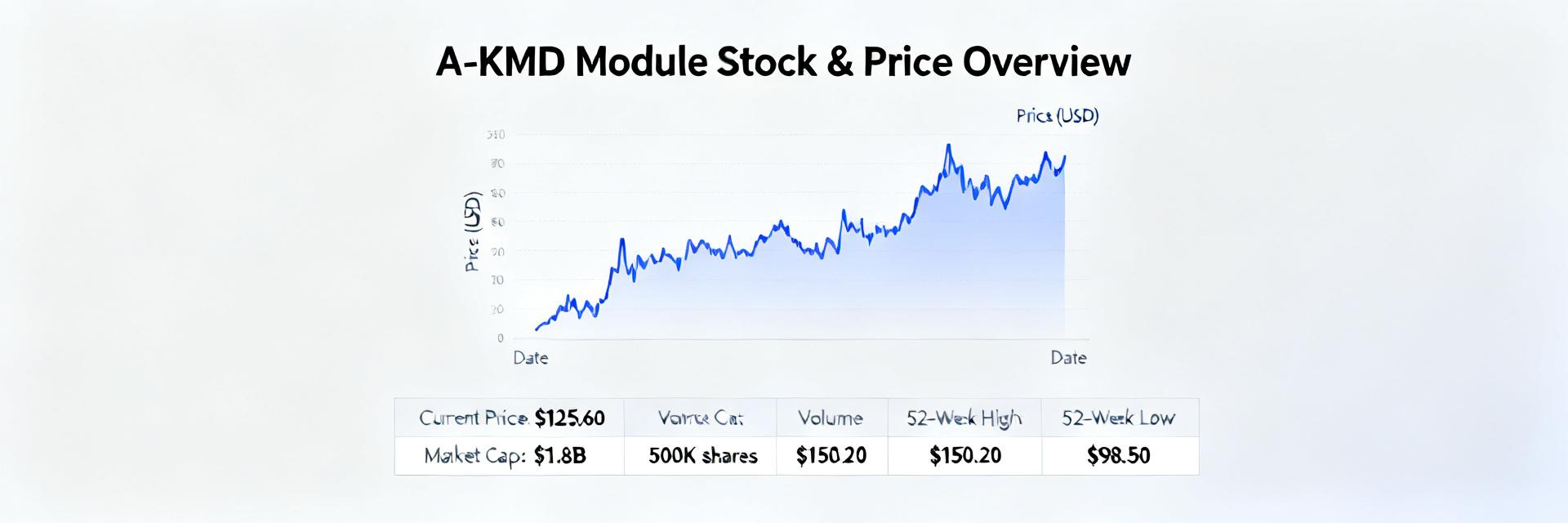
3 — Price trends & historical data (data analysis)
— Short-term price movements and what they indicate
Point: Short-term price spikes typically align with low visible availability and small lot sizes. Evidence: recent per-unit quotes rose when immediate-ship quantities dropped below typical reorder points, while larger-lot discounts appeared on multi-thousand-piece offers. Explanation: watch per-unit price, price-per-MOQ, and shipping add-ons—sharp per-unit increases often signal urgent seller pricing to clear scarce inventory.
— Long-term pricing drivers and risk signals
Point: Sustained price shifts stem from structural supply factors rather than momentary demand. Evidence: indicators include obsolescence alerts, raw-material constraints, and repeated lead-time extensions across multiple sources. Explanation: flag risk signals—persistent lead-time growth, repeated seller relists at higher prices, or removal from authorized channels—to avoid speculative buys that inflate total cost of ownership.
4 — How to source A-KMD-08AFMM-WP-R: practical channels & verification (method guide)
— Checklist for verifying stock legitimacy and lead times
Point: Verification reduces receiving risk and price surprises. Evidence: trusted practice includes timestamped quotes, packaging photos, traceability docs, and small sample orders. Explanation: require dated packaging images, lot codes, and any trace documents; record seller quote timestamps and confirm MOQ and cancelation terms before committing to avoid hidden availability flips.
— Preferred ordering strategies (small lots, consignment, staggered buys)
Point: Tailor ordering to urgency and budget. Evidence: expedited one-off purchases can secure small lots immediately but at price premium; staggered buys smooth spend and mitigate long lead times. Explanation: consider a hybrid approach—secure a tactical immediate lot, then set firm allocations or consignment agreements for follow-on deliveries to balance availability and overall price exposure.
5 — Practical buying checklist & negotiation tactics (method / action)
— Quick pre-purchase checklist for procurement teams
Point: A concise pre-purchase checklist prevents costly mistakes. Evidence: essential items include spec match, lot traceability, packaging validation, return policy, and confirmed lead-time penalties. Explanation: confirm cross-references and markings, capture timestamped quotes, validate traceability, and ensure written lead-time commitments with defined remedies to protect schedules and price certainty.
— Negotiation levers to lower cost or lock stock
Point: Several levers can reduce price or secure inventory. Evidence: typical tactics include bulk discounts, payment-term extensions, price-protection clauses, and firm allocation agreements. Explanation: negotiate price breaks for committed volumes, request hold-and-ship terms, or trade faster payment for a locked allocation; document any price protection to prevent immediate relisting at higher price.
6 — Alternatives, substitutes & a short case example (case showcase)
— Viable substitutes and compatibility checklist
Point: Substitutes are viable when mechanical, electrical, and functional parameters align. Evidence: compatibility checks focus on pinout, voltage/current, footprint, and qualification status. Explanation: build a short validation matrix comparing footprint, interface signals, and thermal limits; include requalification time and expected cost delta to assess true price and schedule impact.
— Short procurement case study (example scenario)
Point: A typical scenario: a mid-run shortage forced a buy decision between premium immediate stock or a qualification of a substitute. Evidence: the team purchased a small immediate lot, negotiated price protection for the balance, and initiated parallel qualification for a substitute to lower future price risk. Explanation: lessons include capturing all timestamps, negotiating hold terms, and tracking substitution qualification metrics.
Summary
- Current posture: visible on-hand quantities are fragmented; prioritize timestamped listings and local stock to reduce lead-time exposure and secure the A-KMD-08AFMM-WP-R with minimal disruption to assemblies.
- Top actions: verify packaging and traceability, capture dated quotes, and combine an immediate tactical buy with staggered replenishment to manage availability and total cost.
- Pricing watch-points: monitor per-unit vs MOQ pricing, repeated relists at higher rates, and shipping add-ons—these indicate short-term pressure that affects overall price risk.
Frequently Asked Questions
How can teams quickly verify A-KMD-08AFMM-WP-R stock before purchase?
Use a checklist: request timestamped quotes and packaging photos, confirm lot codes and trace documentation, ask for a dated sample shipment, and verify return/penalty terms. These steps reduce the risk of incoming mismatches and protect schedules by tying availability claims to verifiable evidence.
What negotiation levers most effectively reduce price when availability is tight?
Levers that work include committing to multi-delivery agreements, requesting price protection clauses, offering extended payment terms, and consolidating volume with a single supplier for a discount. Trade-offs—such as accepting staggered deliveries—often lower immediate price while securing future allocations.
When is substituting the part preferable to paying a premium for scarce stock?
Substitution is preferable when the alternative meets electrical and mechanical requirements with minimal requalification time and lower total cost of ownership. If qualification timelines are shorter than lead-time windows or premiums exceed substitution and requalification costs, substitution is typically the better procurement path.
What do lead-time extensions for the A-KMD-08AFMM-WP-R typically signal?
Persistent lead-time growth and repeated seller relists at higher rates typically indicate structural supply chain issues, raw-material constraints, or impending obsolescence. Spotting these signals early allows procurement teams to initiate parallel qualifications for alternative solutions before a critical shortage occurs.
Final takeaway: the A-KMD-08AFMM-WP-R shows fragmented availability and sporadic price pressure; combine immediate tactical buys with verification, negotiated allocation terms, and planned substitutions to manage both availability and price outlook effectively.


